Tattoo Value System
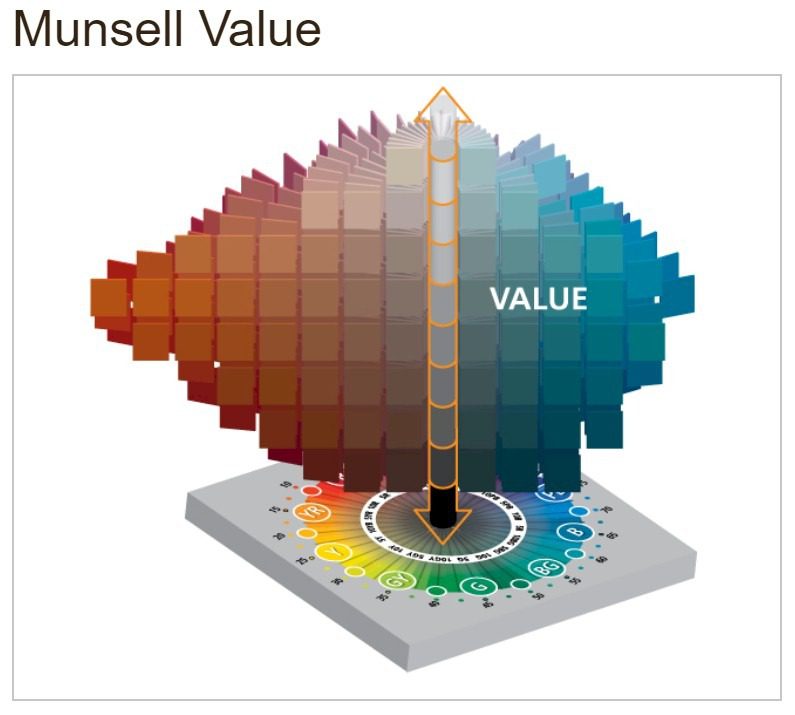
Value describes how light or dark a colour appears. In the Munsell system, the scale runs from black at 0 to white at 10; see the NIST definition of value. This page uses the idea as a drawing exercise for comparing light and dark areas.
Use a limited set of tones
Try reducing a reference drawing to six clearly separated tones on paper or in your drawing software. The point of this exercise is to recognise the main light and dark shapes before working on smaller details. Six tones are a study choice here, not a universal rule for every tattoo or image.
Compare the study with the original
Place both versions side by side. Check whether the focal point remains clear and whether neighbouring areas have merged into one indistinct shape. If something important disappears, revise the grouping and compare again.
The Skinart value image tool provides another way to explore an image. Keep the original file and review the output critically; an automatic conversion still needs your judgement.
Keep this separate from practical ink choices
A digital value study is not an ink-mixing formula and does not predict a healed result. Use it to discuss the drawing with your trainer. Follow your course instructions for practical materials and procedures rather than translating screen shades directly into mixtures.
Continue your design study
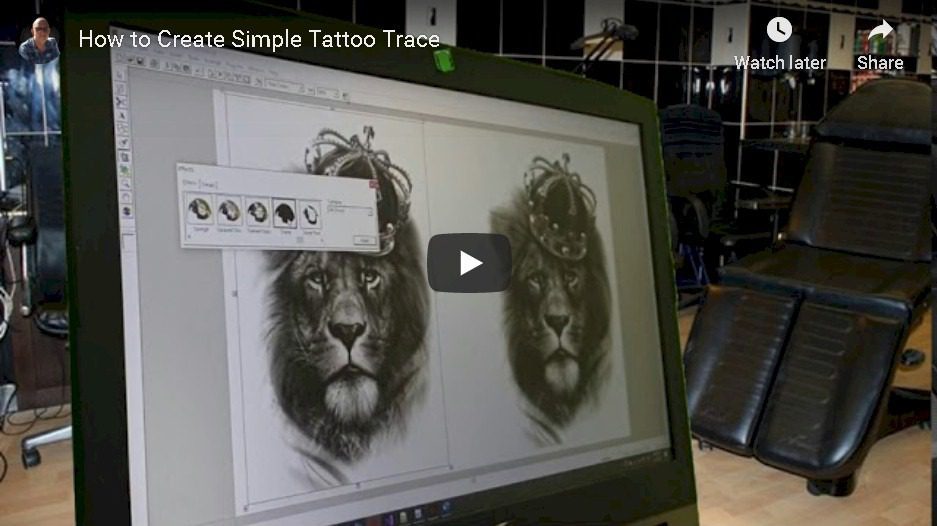
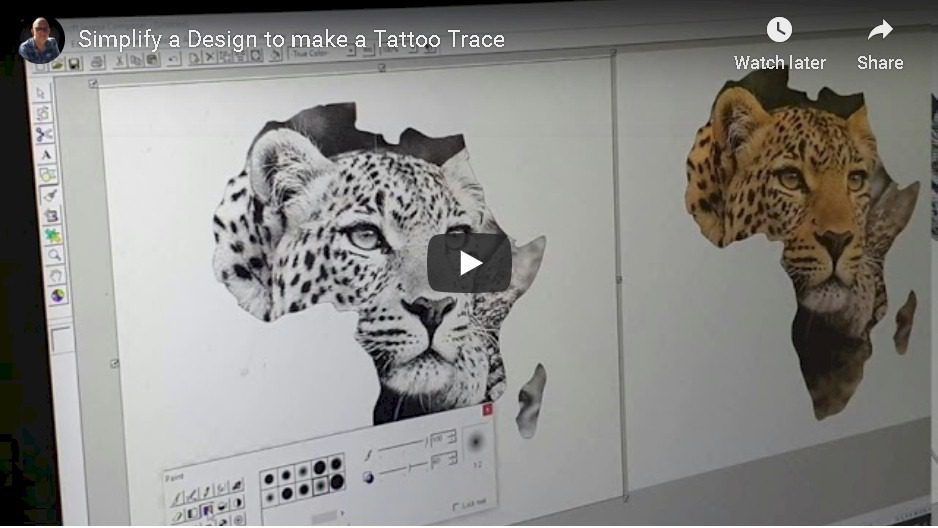
Explore simplifying a design and creating a paper trace. For structured learning, compare the tattoo curriculum with the current South African online tattoo course.
Other Design & Trace Videos
Tattoo Design Software

Create a simple design
How to sell a tattoo
How to unroll a tattoo
How to simplify a design
Create Simple Trace